Neffs Creek Flood Risk: What Millcreek Homeowners Need to Know
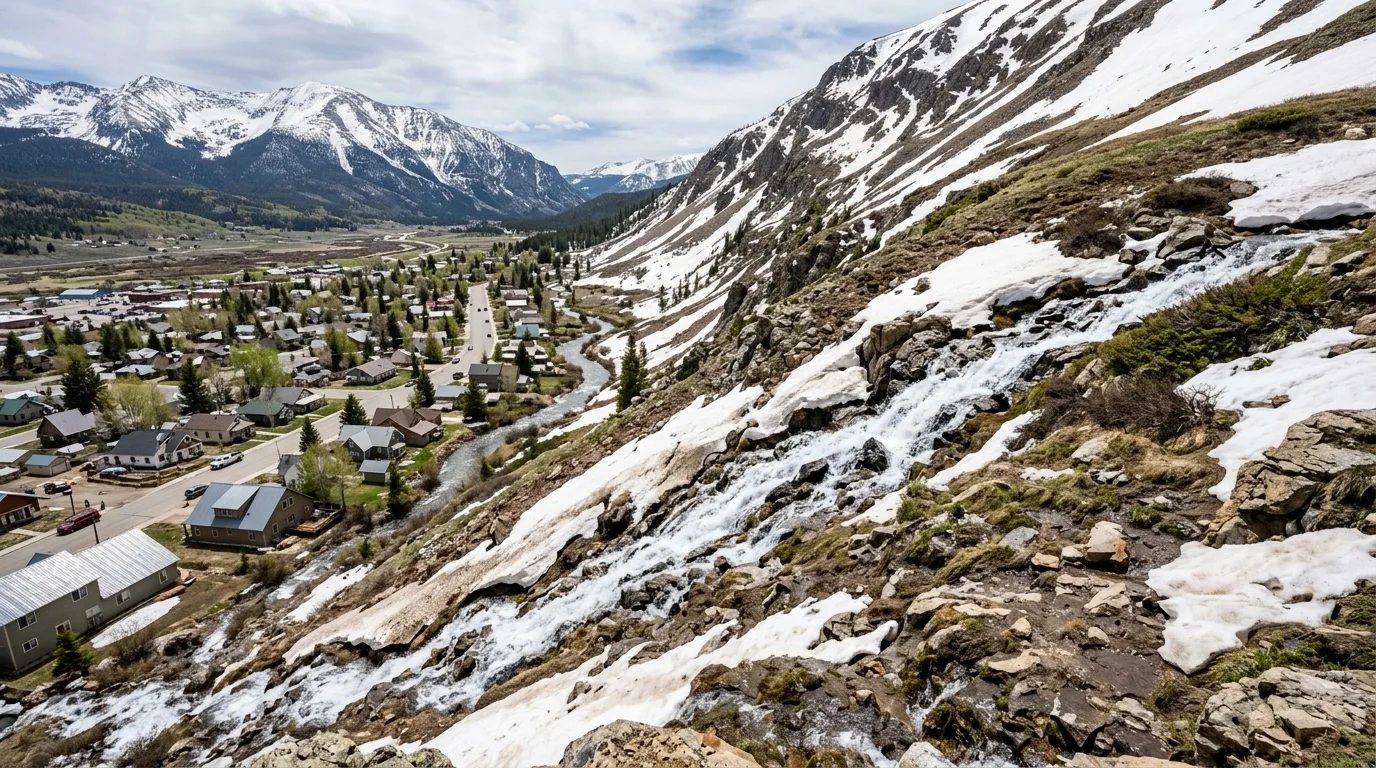
Most discussions of Millcreek flooding focus on burst pipes or sump pump failures — the water damage events that happen inside walls. But for homeowners in the Olympus Cove and Canyon Rim areas of Millcreek, the more consequential flood risk comes from outside: the Neffs Creek alluvial fan system that has shaped this part of the Wasatch Front for thousands of years and continues to create real flooding exposure for properties built across its historic deposition zone.
In this post, we explain what an alluvial fan flood risk means in practical terms for Millcreek homeowners, which areas are most exposed, what FEMA flood zone designations apply, and how to prepare for and respond to an alluvial fan flooding event.
Neffs Creek Area Flooding? Call Immediately.
24/7 emergency flood cleanup for Millcreek and Salt Lake County. (877) 698-1311.
What Is Neffs Creek and Why Does It Create Flood Risk?
Neffs Creek originates in the Wasatch Mountains east of Millcreek and descends through Neffs Canyon before reaching the valley floor. Like all canyon streams that exit steep terrain onto flat valley floor, Neffs Creek behaves as an alluvial fan system — depositing sediment and spreading flow across a wide area as velocity drops at the canyon mouth.
Alluvial fan flooding is distinctive from river flooding because it is inherently unpredictable in direction. When flow exceeds the channel’s capacity during high snowmelt events, water and debris can spread across the fan in any direction — following depressions, roads, and gravity rather than a defined channel. This characteristic is why alluvial fan flooding is classified differently from riverine flooding in FEMA flood zone mapping and why standard flood prevention measures designed for riverine flooding provide limited protection.
The Millcreek soil series underlying the Neffs Creek alluvial fan area — very deep alluvial soils with sandy/gravelly subsoil — was literally deposited by this system over geologic time. The same sandy substrate that gives this area good drainage under normal conditions also provides the low-resistance pathways through which alluvial fan floodwater travels rapidly during high-flow events.
Which Millcreek Neighborhoods Face Neffs Creek Flood Risk
Olympus Cove: The neighborhood most directly situated on the active Neffs Creek alluvial fan. Some Olympus Cove properties carry FEMA Special Flood Hazard Area (SFHA) designations — Zone A or Zone AO — reflecting historical alluvial fan flooding exposure. Homeowners with federally-backed mortgages in these zones are required to carry flood insurance.
Canyon Rim: Properties at the base of the canyon mouth area face secondary exposure from fan overflow events that redirect along road grades and terrain depressions.
East Millcreek: Lower fan elevation means decreased risk of direct alluvial flooding, but elevated groundwater tables during heavy snowmelt years create seepage risk independent of the creek itself.
FEMA Flood Zone Designations in Millcreek
FEMA maintains flood insurance rate maps (FIRMs) for Salt Lake County that identify flood zones based on historical flood event analysis. For Millcreek areas near Neffs Creek, relevant designations include:
Zone A: High-risk area with a 1% annual chance of flooding (historically called the “100-year floodplain”). Flood insurance is required for federally-backed mortgages.
Zone AO: Alluvial fan or shallow flooding areas where flood depths typically run 1–3 feet. The alluvial fan designation is specifically applied to areas like Neffs Creek where the flooding mechanism is fan-type rather than riverine.
Zone X (shaded and unshaded): Moderate or minimal risk areas. Shaded Zone X carries a 0.2% annual chance of flooding — still a meaningful statistical probability over a 30-year mortgage term.
You can look up your specific parcel’s flood zone at the FEMA Flood Map Service Center. If you are in Zone A or AO near Neffs Creek, flood insurance is a critical risk management tool regardless of whether it is required by your lender.
Alluvial Flooding Affected Your Millcreek Home?
We handle all flood contamination categories. Call (877) 698-1311 — Millcreek Water Damage Restoration, 24/7.
How Alluvial Fan Flooding Differs From Typical Basement Flooding
Standard basement flooding in Millcreek — from hydrostatic seepage, sump pump failure, or spring snowmelt — typically produces Category 1 (clean water) or Category 2 (gray water) events. The water is precipitation-origin and relatively free of contaminants.
Alluvial fan flooding from Neffs Creek during a high-flow event is a different matter. Creek water carries sediment, organic debris, and potentially Category 2 contamination from upstream sources. If the event is significant enough to overtop the channel and interact with storm drain systems or private sewer laterals, Category 3 contamination from sewage mixing is possible.
This contamination profile affects the cleanup protocol — sediment-laden floodwater requires assessment of all porous materials for contamination classification before any salvage decisions are made. The cleanup process is more extensive than a clean-water basement event.
What to Do If Neffs Creek-Area Flooding Reaches Your Home
Do not enter moving water — alluvial fan flows can carry sediment and debris at velocities that create serious safety hazards.
Document from a safe position — photograph and video the extent of flooding and entry points before any cleanup begins.
Call immediately — alluvial fan flooding events are followed by rapid evaporation in Utah’s climate, but contamination from creek water requires professional assessment that cannot wait.
Contact your insurance agent — alluvial fan flooding is a flood insurance event, not a homeowner’s insurance event for most policies. The claim process differs.
Do not use HVAC to dry the space — circulating air through a space with creek sediment and potential biological contamination before professional assessment can spread contaminants through the home.
Prevention Measures for Neffs Creek-Area Properties
For Olympus Cove and Canyon Rim homeowners facing alluvial fan risk, property-level prevention measures are limited — no residential intervention prevents a high-flow alluvial event from reaching your property if the creek overtops its channel. The most effective risk management steps are:
Flood insurance: For SFHA properties near Neffs Creek, NFIP or private flood insurance is essential. Homeowner’s insurance does not cover alluvial fan flooding.
Flood barriers: Temporary flood barriers (NOAQ tubes, quick-deploy sandbag alternatives) can be deployed around entry points when flooding is anticipated based on snowpack reports and weather conditions.
Window well covers and seals: Polycarbonate window well covers reduce entry point exposure for below-grade windows.
Emergency kit and plan: Know which possessions to move to upper floors quickly if a flood warning is issued, and have a response plan established before emergency conditions.
Frequently Asked Questions
Is my Olympus Cove home in a FEMA flood zone?
Look up your parcel at the FEMA Flood Map Service Center (msc.fema.gov) using your address. If your property is in Zone A or Zone AO related to Neffs Creek, you are in a high-risk designation and flood insurance is required if you have a federally-backed mortgage.
Does homeowner’s insurance cover Neffs Creek flooding?
Standard homeowner’s insurance does not cover flooding from external water sources, including alluvial fan events from Neffs Creek. This requires separate flood insurance through NFIP or a private carrier. See our guide on insurance coverage for water damage in Millcreek for full coverage details.
How often does Neffs Creek cause residential flooding in Millcreek?
Significant alluvial fan flooding events are relatively infrequent in typical snowpack years, but occur more regularly in above-average snowpack years. The 2025–2026 Utah snowpack at more than double the typical year has elevated flood risk across all Wasatch-adjacent Salt Lake County neighborhoods.
Millcreek Flood Restoration — All Contamination Categories
We handle Neffs Creek-area flooding with appropriate contamination protocols. Call (877) 698-1311 for 24/7 response.
Related resources: