Professional vs. DIY Water Damage Cleanup in Millcreek, UT
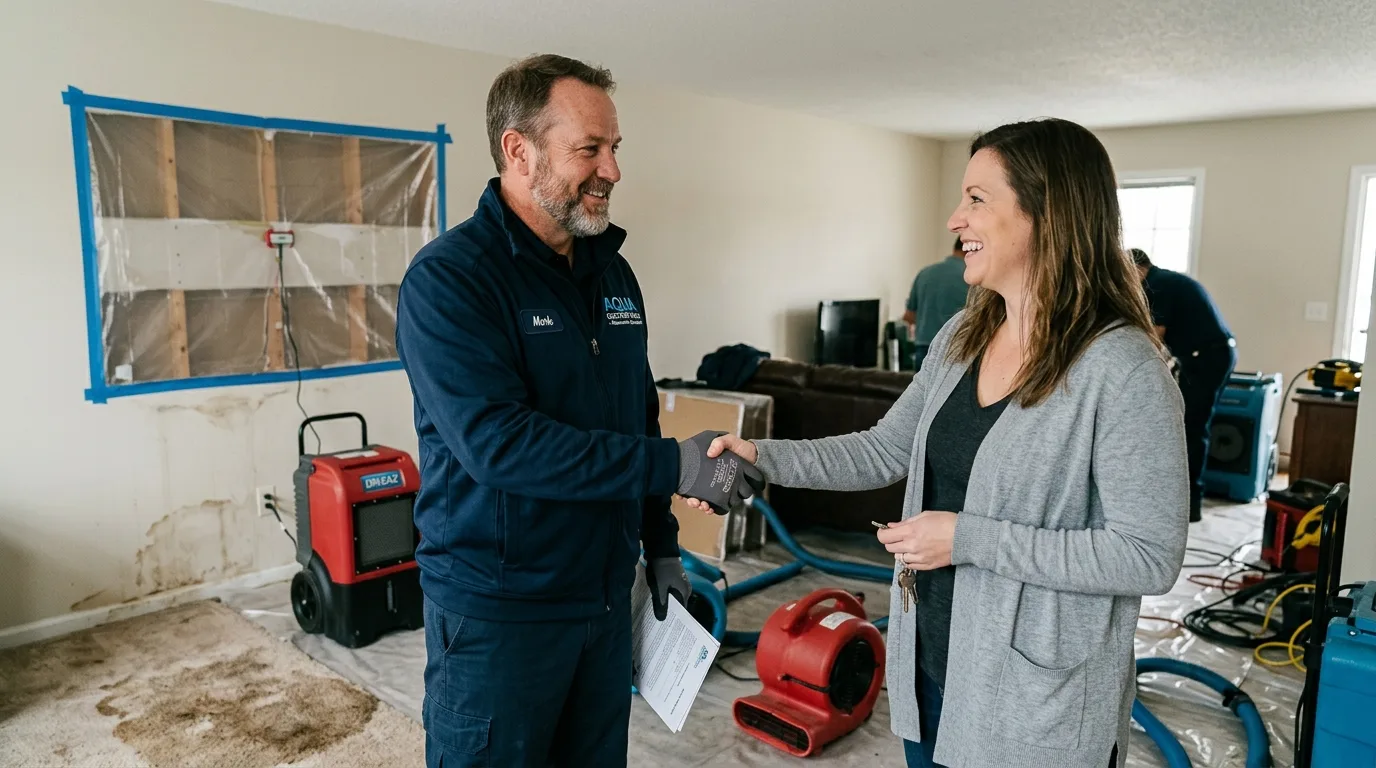
A slow drip from under the kitchen sink that you caught within an hour looks very different from a burst pipe that soaked your basement overnight. The question of whether to clean up water damage yourself or call a professional is real, and the answer depends on specific factors that many homeowners don’t know to evaluate. Getting this decision wrong in either direction costs money — calling professionals for a minor drip is unnecessary; attempting DIY cleanup on a significant event can result in mold, structural damage, and a denied insurance claim.
In this guide, we cover what factors determine whether DIY is appropriate for Millcreek homeowners, what professional restoration provides that DIY cannot, and the specific situations where calling immediately is non-negotiable.
Not Sure If You Need a Pro? Call for a Free Assessment.
We'll give you an honest answer. (877) 698-1311 — Millcreek and Salt Lake County, 24/7.
Why This Decision Matters More in Millcreek
Millcreek homeowners deal with water damage in a climate where moisture behavior is different from what national guides describe. Utah’s xeric moisture regime — dry 45–60 consecutive days after the summer solstice — means surfaces appear to dry quickly. A basement floor may look and feel dry within 24 hours of a flooding event. But the Millcreek soil series, with its sandy/gravelly subsoil at 20–30 inches depth, holds moisture against foundation walls for extended periods even as the interior surface dries. Wall assemblies saturated by a flooding event retain moisture inside for days to weeks after the surface appears dry.
This is why the “it looks dry” standard fails Millcreek homeowners consistently. Apparent surface dryness in Utah’s low ambient humidity does not mean structural materials have reached safe moisture content. Mold colonization begins within 24–48 hours in the wet microclimate inside a wall assembly regardless of how dry the room feels.
When DIY Water Cleanup Is Acceptable
Small, contained area under 10 square feet. A minor drip that wet a small section of vinyl flooring or a cabinet base, discovered and stopped within a few hours, can typically be dried adequately with consumer fans and thorough drying time.
Clean water source only. Category 1 water — from a supply line, rainwater, or melting ice — is safe to handle without protective equipment. Gray or black water contamination (appliance water, sewage) requires professional handling regardless of scope.
No wall or subfloor involvement. If water stayed on the surface and did not migrate under flooring, into wall cavities, or into subfloor assemblies, DIY drying may be adequate. If water reached baseboards, it has entered the wall cavity.
No mold visible or suspected. If any mold is present or the event is more than 48 hours old without drying, professional assessment is necessary before cleanup begins.
Insurance claim not involved. DIY cleanup without professional documentation makes an insurance claim essentially impossible. If you intend to file a claim, professional documentation is required.
When Professional Restoration Is Non-Negotiable
Any standing water in a basement or on flooring. Standing water requires truck-mounted extraction, not shop vacs. Consumer equipment cannot remove the volume of water from a flooded space in the time available to prevent structural damage and mold.
Water in walls. If water reached baseboards, drywall, or any wall surface, moisture has entered the wall assembly. Only professional moisture meters can assess how deep saturation goes and whether materials must be removed.
Any sewage contamination. Category 3 biohazard cleanup requires PPE, containment, and licensed waste disposal. Do not attempt DIY cleanup for sewage backup events.
Flooring delamination, buckling, or damp subfloor. These signs indicate subfloor saturation that requires professional drying equipment and may require material removal.
Any event over 24 hours old. If water has been present for more than 24 hours without professional extraction and drying, mold risk is elevated and professional assessment of contamination status is required.
Insurance claim involved. Professional documentation — moisture readings, thermal imaging, extraction logs, drying verification — is the evidence your adjuster requires to process your claim. DIY cleanup without this documentation typically results in partial or full claim denial.
Professional Water Damage Cleanup in Millcreek
IICRC-certified technicians, complete insurance documentation, 24/7 dispatch. Call (877) 698-1311.
What Professional Restoration Provides That DIY Cannot
Moisture mapping. Professional technicians use thermal imaging cameras and calibrated moisture meters to locate water in wall assemblies and under flooring that cannot be found by sight. This mapping determines which materials can be dried in place and which must be removed.
Commercial-grade extraction and drying. Truck-mounted extractors pull water at a rate that consumer shop vacs cannot approach. Commercial dehumidifiers and air movers are engineered to achieve IICRC dry standards in 3–5 days — timeline that consumer fans cannot match.
Documentation for insurance. Pre-extraction photos, moisture maps, daily drying logs, and post-drying verification reports constitute the evidence package for a successful insurance claim. This documentation cannot be reconstructed after the fact.
Permit coordination. If material removal and reconstruction are required, Millcreek building permits must be pulled by a Utah DOPL-licensed contractor. Professional restoration companies manage this coordination — homeowners who attempt reconstruction without permits face doubled fees and stop-work orders from Millcreek’s building department.
The Hidden Cost of DIY: What Happens When It Goes Wrong
The typical DIY water damage scenario that leads to professional intervention later: homeowner addresses a burst pipe with shop vac and fans, surfaces dry in 24–48 hours, homeowner considers it resolved. Two to four weeks later: musty smell from a specific wall or room, discoloration on drywall, or family members experiencing respiratory symptoms. Mold assessment reveals colonization inside a wall cavity that has spread to adjacent framing. The cost of professional mold remediation plus drywall replacement is significantly higher than the original water damage restoration would have been — and insurance coverage may be reduced because the homeowner’s delay and DIY attempt are documented.
See our guide on mold after water damage in Millcreek for more detail on how mold develops after inadequate drying.
Types of Water Events and the Right Response
Minor appliance drip (under 10 sq ft, caught immediately): DIY may be appropriate for clean water on hard surface only. Monitor for 48 hours and call if any soft materials were involved.
Dishwasher or washing machine overflow: Professional assessment recommended — gray water contamination requires proper disinfection of any porous materials contacted.
Burst pipe with standing water: Call immediately. Every minute adds saturation scope. This is the scenario where response time determines total cost most dramatically in Millcreek.
Basement flooding from snowmelt: Professional required — volume exceeds consumer equipment capability and wall/subfloor saturation is assumed. Read our Millcreek spring flood guide to prepare in advance.
Sewage backup: Emergency call required. Do not enter without PPE.
Frequently Asked Questions
How do I know if my water damage requires a professional in Millcreek?
If any of the following apply, call a professional immediately: standing water in any quantity, water that reached baseboards or flooring, any sewage contamination, the event is more than 24 hours old, or you intend to file an insurance claim. When in doubt, call for a free assessment — a legitimate restoration company will tell you honestly if DIY is adequate for your situation.
Will professional restoration cost more than DIY for small events in Millcreek?
In the short term, yes — professional extraction and drying for a small event costs several hundred to a few thousand dollars. DIY costs almost nothing upfront. But the risk calculation favors professional intervention for any event involving wall contact or subfloor exposure, because the cost of mold remediation and reconstruction after failed DIY drying significantly exceeds the original restoration cost.
Can I start DIY cleanup and call a professional later?
Avoid this approach — it complicates insurance documentation and may alter moisture patterns in ways that affect the professional’s ability to accurately assess original damage scope. If you’re calling a professional, call first and begin only the safe, non-invasive steps (moving valuables, shutting off water source) until they arrive.
When in Doubt, Call Us First.
Millcreek Water Damage Restoration gives honest assessments. If DIY is fine, we'll tell you. Call (877) 698-1311.
Related resources: